
研究平台
Research Plateform
(一) 心臟再塑形與心臟超音波相關研究:
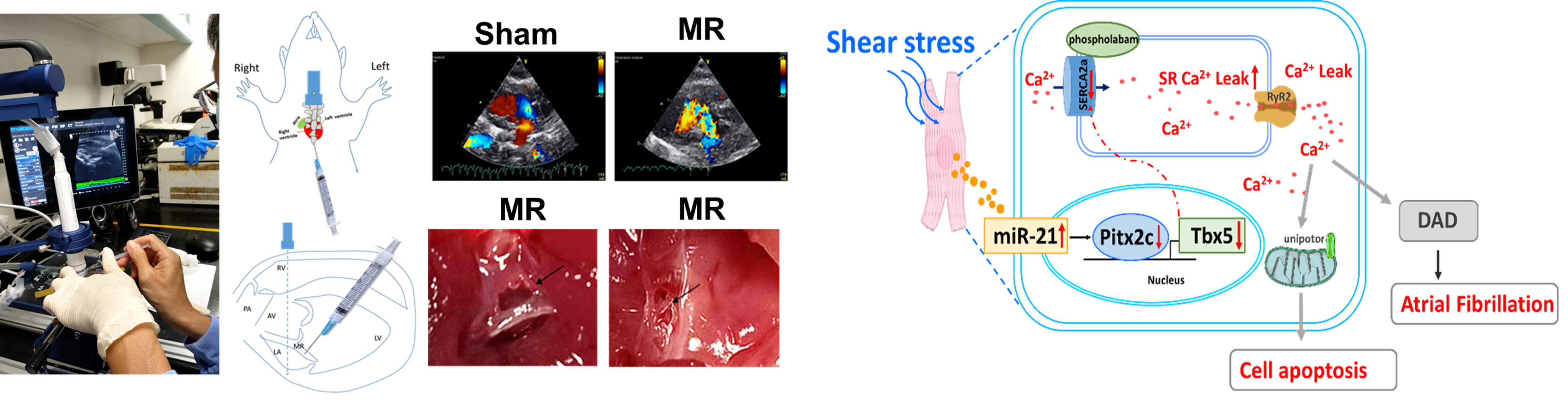
二尖瓣膜逆流易導致心房顫動更造成中風及心衰竭。雖然在重度逆流時能以手術校正,然而目前為止仍缺乏一個可靠指數來評估左心房再塑形,因此我們推動二尖瓣手術後心臟康復和左心房重構的影響之研究計畫(The CIRcuLAR Study) 而相關臨床研究成果已發表於Pulm Circ, J Cardiol, Circ J, J Thorac Cardiovasc Surg等期刊。有鑑於過去二尖瓣膜逆流的動物模式主要建立在大動物上,除了花費高死亡率也高,這也使得因MR導致心衰竭之致病機轉仍多所未明。經過兩年的嘗試,我們已成功藉由超音波導引建立新穎性的微創二尖瓣膜逆流小鼠模型,除了模擬二尖瓣膜逆流造成心臟擴大及左心衰竭,更有別於傳統開胸手術易造成高死亡率也可減輕動物疼痛負擔。應用此模型,我們探討二尖瓣膜逆流造成心衰竭相關致病機轉,包含血流剪力誘導的心肌細胞代謝重編、影響miR-21調控發炎小體以及透過纖維母細胞誘發心肌細胞間改變造成心房顫動等相關分子機制調控。我們進一步利用此動物模型研究Dapaglifozin、Ivabradine(節律離子流抑制劑) 、Entresto® (Sacubitril / Valsartan)等相關床用藥對於改善二尖瓣膜逆流造成心肌病變之可能性,我們發現Dapaglifozin能透過抑制二尖瓣膜逆流引起心肌之ER stress和細胞凋亡,進而改善心臟纖維化和心臟功能 (J Am Heart Assoc. 2021)
(二) 腫瘤心臟學(Cardio-Oncology)相關研究:
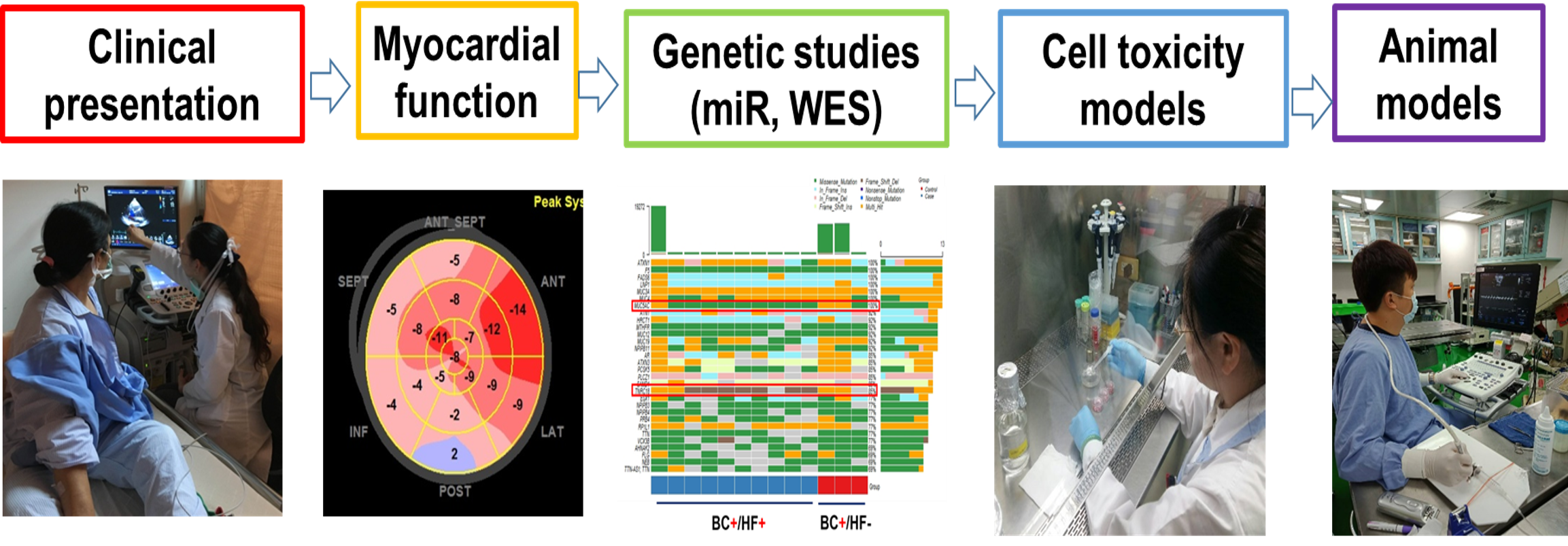
Cardio-Oncology已在歐美受到的重視,而奇美醫院推動國內首創的前瞻性腫瘤心臟保護計畫,以乳癌與淋巴癌等病人,已累積500例個案。更進一步從臨床到實驗室,我們也建立產生心臟毒性之動物及細胞模型,用以探討化療心臟毒性的致病機轉。而相關的成果除了得到心臟學會的獎助外,也獲得學會論文發表第一名以及SCI期刊刊登之殊榮(Acta Cardiol Sin, ESC Heart failure, Arch Toxiology, IJC等),讓台灣抗癌護心成果在國際發光發熱。更獲得SNQ國家品質認證標章,並撰寫TSOC以及國健署邀請之腫瘤心臟學相關指引,本研究結果將有助於建立未來治療病人的準則,降低腫瘤治療所產生之心臟毒性。
(三) 微型核糖核酸,外吐小體於肺動脈高壓研究:
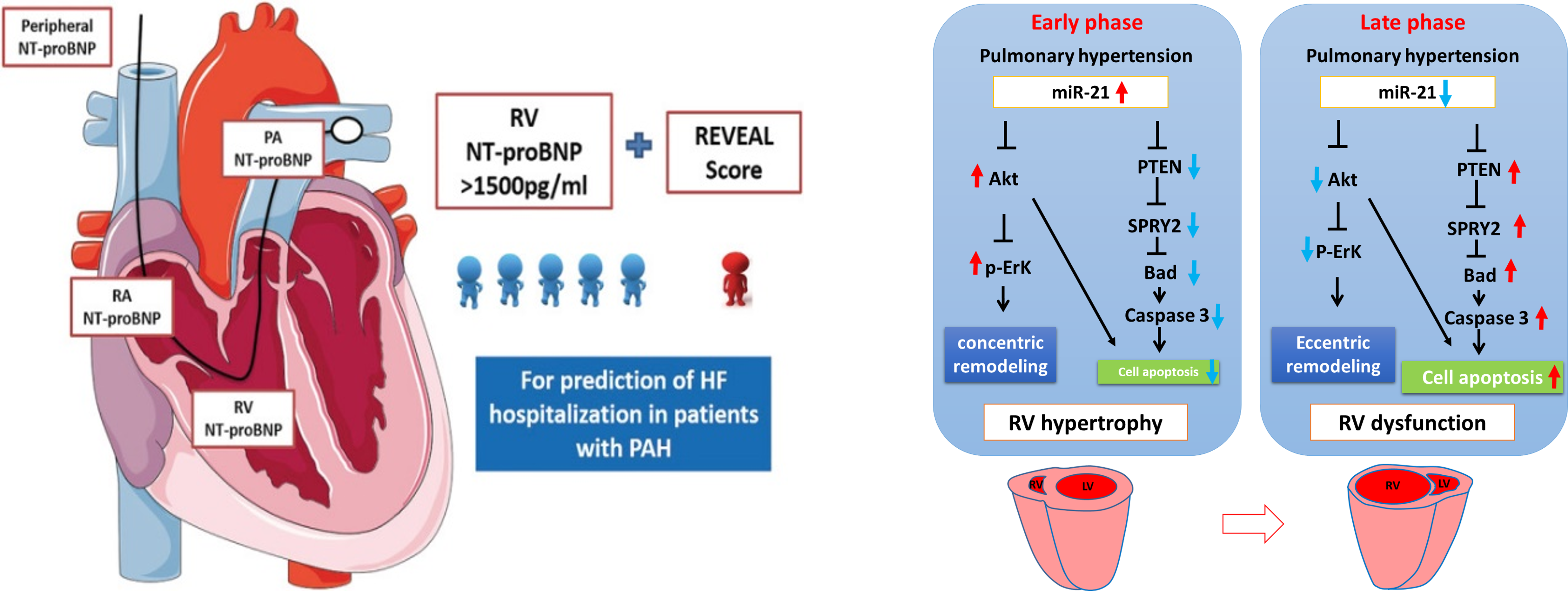
微型核醣核酸(miR)是一微小non-coding RNAs,除了調控基因的表現外,更導致許多心臟疾病的形成。此外,細胞外吐小體(exosome)負責細胞間的訊息傳輸,藉由此載送方式可以避免內含的微型核醣核酸分解。作者於2013年於Harvard進修時,已經在從事exosome相關技術開發,過往已有多項探討微型核糖核酸在心臟疾病之轉譯醫學研究計畫,並有多篇文章發表於J Mol Cell Cardiol, Aging, Cells, Front Cardiovasc Med, Asian Pac J Cancer Prev, Acta Cardiol Sin等期刊。而MiR-21 Mitigated Pulmonary Hypertension Induced Right Ventricular Dysfunction through Pulmonary Circulating Exosomes相關題目獲得科技部吳大猷先生紀念獎,並且於國際會議歐洲心臟學會得到最佳論文(Best and Moderated Poster Presentation)。透過轉譯醫學的平台,我們著力於探討miR-21以及外吐小體在肺動脈高壓以及右心再塑型的調控機轉。我們也會專研miR-21對細胞型態改變的影響。更進一步探討外吐小體在右心和肺動脈之間的訊息傳遞。再藉由抑制miR-21表現研究其避免右心衰竭的效力。我們也研究利用脂肪幹細胞外吐小體,探討治療心血管疾病潛力。
(四) 幹細胞於周邊動脈阻塞相關研究:
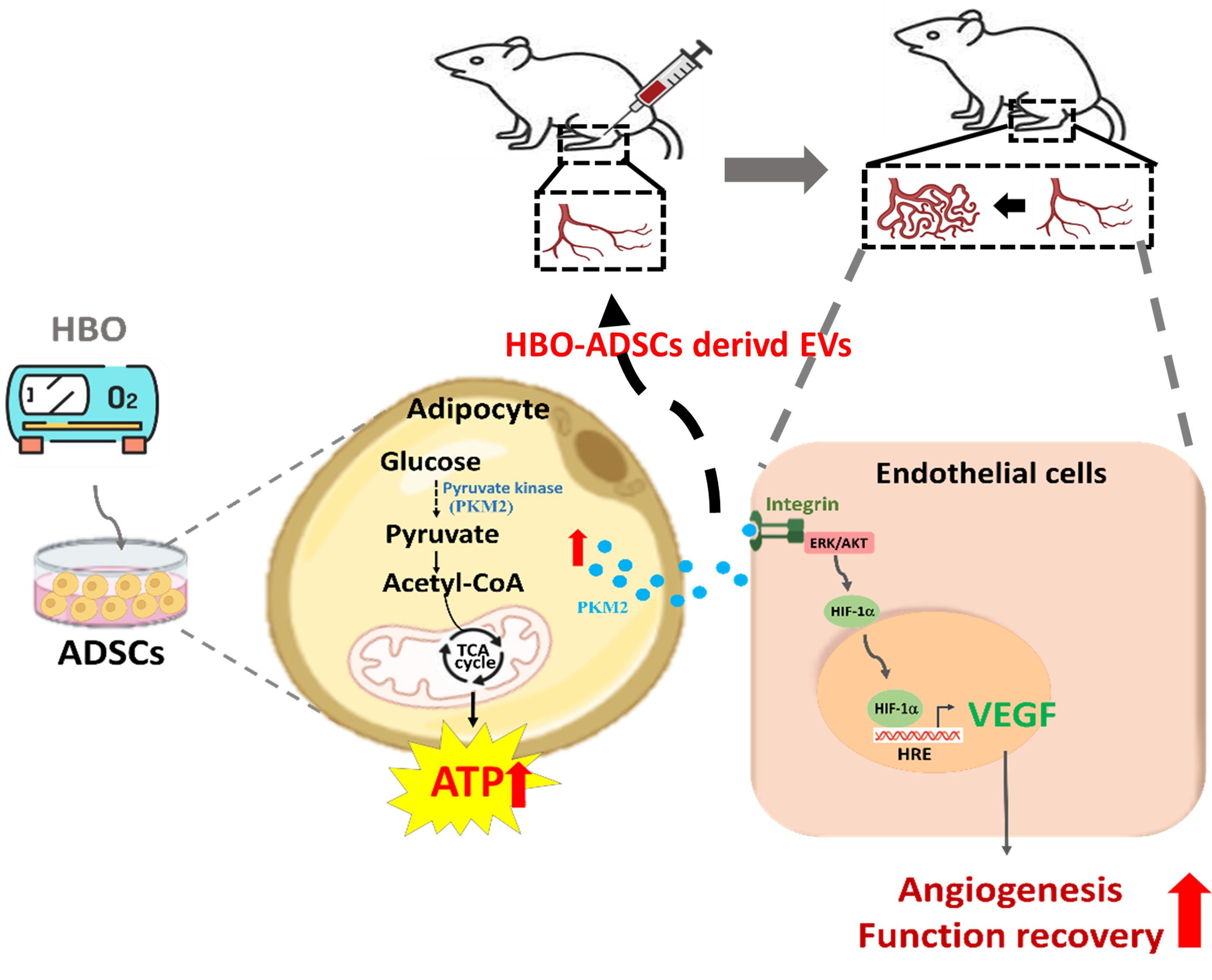
有鑑於周邊動脈阻塞之盛行率攀升,且大大影響患者存活和生活品質,實驗室於數年前開始建立臨床生物資料庫,並透過動物模型探討內皮細胞功能和血管新生機轉,成果也發表於Aging, Cells, Front Cardiovasc Med等期刊,也為本研究案設立良好根基和未來臨床應用平台。
Research Plateform
(1) Cardiac Remodeling and Echocardiography-Related Research:
Mitral regurgitation (MR) is known to easily lead to atrial fibrillation, which in turn increases the risk of stroke and heart failure. While surgical correction is possible in cases of severe regurgitation, there remains a lack of a reliable index to assess left
atrial remodeling. Therefore, we have initiated a research project on cardiac rehabilitation after mitral valve surgery and the impact on left atrial remodeling (The CIRcuLAR Study). Relevant clinical research findings have been published in journals such as Pulm Circ, J Cardiol, Circ J, and J Thorac Cardiovasc Surg. In the past, animal models for MR have primarily been established using large animals, which are costly and have high mortality rates. This has left many pathogenic mechanisms related to MR-induced heart failure unclear. After two years of effort, we successfully established a novel minimally invasive murine model of MR using ultrasound guidance. This model simulates the enlargement of the heart and left heart failure caused by MR, and unlike traditional open-chest surgeries, it reduces the high mortality rate and alleviates animal pain. Using this model, we investigate the pathogenic mechanisms of heart failure caused by MR, including myocardial metabolic reprogramming induced by shear stress, the regulation of inflammatory bodies through miR-21, and changes in myocardial cells through fibroblast-induced atrial fibrillation. We further utilize this animal model to study the potential of clinical drugs like Dapaglifozin, Ivabradine (a rhythm ion channel inhibitor), and Entresto® (Sacubitril / Valsartan) in improving myocardial damage caused by MR. We found that Dapaglifozin can reduce endoplasmic reticulum (ER) stress and cell apoptosis in myocardial cells induced by MR, thereby improving cardiac fibrosis and heart function (J Am Heart Assoc, 2021).
(2) Cardio-Oncology Research:
Cardio-Oncology has gained significant attention in Europe and the United States. Chi Mei Hospital has pioneered a domestic prospective cardiac protection program for oncology, focusing on patients with breast cancer and lymphoma, with 500 cases accumulated. Further, from clinical to laboratory, we have established animal and cellular models to investigate the mechanisms of chemotherapy-induced cardiac toxicity. These results have not only received awards from cardiac societies but also gained recognition with first-place paper awards and publication in SCI journals (Acta Cardiol Sin, ESC Heart Failure, Arch Toxicology, IJC, etc.), bringing Taiwan's achievements in anticancer cardiac protection to international prominence. Additionally, the program has earned SNQ national quality certification, and we have been invited to write guidelines for Cardio-Oncology by the Taiwanese Society of Cardiology (TSOC) and the National Health Administration. This research will contribute to establishing treatment protocols to reduce cardiac toxicity caused by cancer treatments.
(3) MicroRNA and Exosome Research in Pulmonary Hypertension:
MicroRNAs (miRNAs) are small non-coding RNAs that regulate gene expression and are involved in the pathogenesis of many cardiovascular diseases. Exosomes are responsible for intercellular communication, and by transporting miRNAs, they protect the RNAs from degradation. During my time at Harvard in 2013, I began working on exosome-related technologies. I have since led several translational research projects focused on miRNAs in cardiovascular diseases, with publications in J Mol Cell Cardiol, Aging, Cells, Front Cardiovasc Med, Asian Pac J Cancer Prev, and Acta Cardiol Sin. The topic "MiR-21 Mitigated Pulmonary Hypertension Induced Right Ventricular Dysfunction through Pulmonary Circulating Exosomes" won the Wu Da-Yu Memorial Award from the Ministry of Science and Technology, and the study received the Best and Moderated Poster Presentation award at the European Society of Cardiology conference. Through translational medicine platforms, we focus on exploring the regulatory mechanisms of miR-21 and exosomes in pulmonary hypertension and right heart remodeling. We also investigate the effects of miR-21 on cellular phenotype changes and the signaling between the right heart and pulmonary arteries via exosomes. Additionally, we research the potential therapeutic effects of adipose-derived stem cell exosomes on cardiovascular diseases.
(4) Stem Cell Research in Peripheral Arterial Occlusion:
Given the rising prevalence of peripheral arterial occlusion and its significant impact on patient survival and quality of life, our laboratory has established a clinical biobank and has been using animal models to investigate endothelial cell function and the mechanisms of angiogenesis. Our findings have been published in Aging, Cells, Front Cardiovasc Med, and have laid a solid foundation for future clinical applications in this area.